Rodent Control in Port St. Lucie, Florida
Scratching over the ceiling at night? Droppings on top of the water heater? One call connects you with an independent local rodent control provider on the Treasure Coast.
Referral service. Your call goes to an independent local rodent control provider.
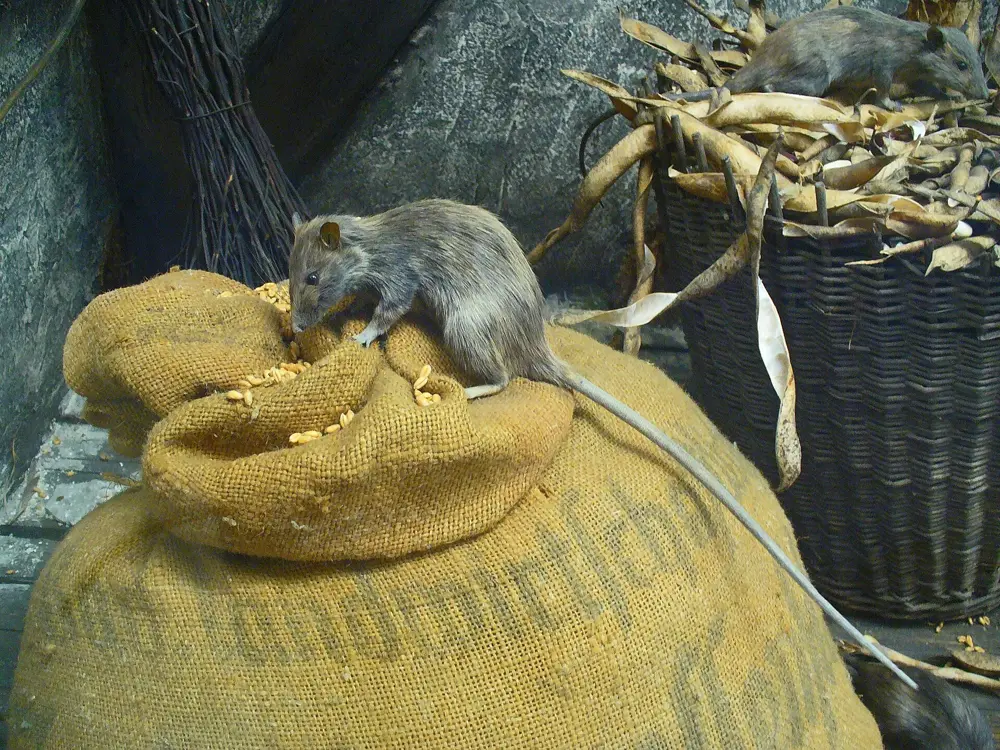
In a Port St. Lucie attic, the usual suspect is the roof rat. It's a slim, dark climber with a tail longer than its body, and UF/IFAS says it prefers to nest off the ground in attics, palm trees and thick shrubs. So when a homeowner off Port St. Lucie Boulevard hears running in the ceiling around midnight, it's usually a roof rat that came in from a palm or an oak limb touching the roof. The roof rat page goes through what that looks like.
This line is for rats and mice. You call, and the call connects to an independent local rodent control provider who works your part of St. Lucie or Martin County. They come out, look the house over and give you their price. Same-day appointments are often available. Rodent Control Port St. Lucie doesn't send technicians or quote jobs.
One thing worth knowing before anyone shows up: trapping without sealing is a short-term fix here. Roof rats breed all year in this climate, and the next one finds the same gap in the soffit. Ask about sealing the entry points, and if the rats have been up there a while, about cleaning up the attic insulation too.
Who's making the noise?
| Animal | Where you'll find it |
|---|---|
| Roof rat | Attics, palms, hedges and citrus trees. Noise overhead at night. |
| Norway rat | Burrows under slabs, sheds and docks, mostly near canals and the river. |
| House mouse | Garages, laundry rooms and kitchen cabinets. Rice-sized droppings. |
| Gray squirrel | Chewed holes in the soffit. Noise in the daytime, not at night. |
What to say when you call
Your call goes to an independent rodent control provider who works in St. Lucie and Martin Counties. A couple of minutes of detail at the start gets you a clearer answer on timing and price.
Tell them
- What you've noticed: noises, droppings, gnawed fruit, a rat on the fence
- Where: attic, garage, kitchen, lanai, yard, canal bank or seawall
- When you hear it: at night (rats) or during the day (squirrels)
- Your neighborhood or nearest cross streets
- Kids, pets or anyone with health concerns in the home
- If you rent, whether the landlord or HOA knows
Ask them
- Your Florida pest control license number and certified operator
- Whether the price includes sealing, follow-up visits and cleanup
- What material they'll use on gaps (metal, not foam alone)
- Whether bait goes inside the house, or traps only
- What any warranty covers and for how long, in writing
Why Port St. Lucie houses get rats
A lot of it comes down to how the city grew. General Development Corporation bought land along the North Fork of the St. Lucie River in 1958, and Port St. Lucie became a city in April 1961. Lots went in by the thousands, and so did single-story houses on them. Many older east-side streets now have sixty years of tree growth hanging over the roofs, and to a roof rat, an oak limb on the shingles is a sidewalk. East Port St. Lucie and River Park get a lot of these calls.
The west side is newer. St. Lucie West was planned in the early 1990s, and Tradition started in 2006 on what had been a large cattle ranch. Newer houses are tighter, but they still have soffit vents, roof returns and garage doors, and plenty back onto preserve land, retention ponds or open fields. Rats and mice live along that edge. See St. Lucie West, Tradition or Torino.
Then there's the yard. UF/IFAS says roof rats are destructive in citrus, living in the trees and gnawing the fruit, and anyone with a grapefruit tree has seen hollowed-out fruit still hanging on the branch. Palms with a skirt of dead fronds, bird feeders, pet food on the lanai and fruit on the ground keep rats close. The palms and citrus article covers the yard side.
Water matters too. UF/IFAS says Norway rats are most common in Florida along coasts and canals where garbage is poorly stored, and Port St. Lucie has a lot of canal-front lots. Norway rats dig under slabs and sheds instead of climbing. The line takes calls from Vero Beach and Fort Pierce down to Stuart and Hobe Sound.
- Older east-side houses: mature oaks and palms touching the roof
- Canal and pond lots: Norway rats burrowing under slabs and sheds
- Newer west-side homes: preserve land and fields right behind the fence
- Backyard citrus and palms: food and shelter a few feet from the soffit
Rats through the year in Port St. Lucie
- June through November
- Hurricane season. After a storm, check the roofline for lifted shingles, bent soffit panels and torn vent screens. A rat needs only a half-inch gap. Frances and Jeanne both came ashore on nearby Hutchinson Island in September 2004.
- Summer heat
- Rats need water every day, about an ounce, per UF/IFAS. Leaky AC condensate lines, pool equipment and dripping hose bibs get a lot of visits.
- Mild winters
- No hard freeze knocks the population down. Roof rats keep breeding, and the scratching in the attic doesn't stop in January.
- When the fruit is ripe
- Citrus left on the tree and fruit on the ground are the easiest meal in the neighborhood. Pick as it ripens and clear what falls.
How this line works
Rats and mice only
No lawn spraying, no termites, no mosquitoes. Keeping the line to rats and mice means the providers on the other end handle this work every week.
Sealing should come up on the first visit
A good technician spends as much time on the roofline, the soffit vents and the AC line where it goes through the wall as on traps. What a rodent inspection covers explains why.
Prices come from the provider
This site doesn't set prices or take payment. The provider who sees your house quotes the job. Published ranges are in the cost guide.
Check the license
Florida licenses pest control businesses through FDACS under Chapter 482. Ask for the license number and certified operator; the license guide shows how to confirm them.
Rat and mouse services
- Rat Control Roof rats up high and Norway rats down low, from the attic to the canal bank.
- Roof Rat Control The climbing rat that lives in palms, citrus and attics and comes in at the roofline.
- Mouse Control House mice in garages, kitchens and closets, and the small gaps they use to get in.
- Rodent Inspection A walk around the house and through the attic to find the rodent, its nest and every gap.
- Rodent Exclusion Closing the gaps at the roofline, vents and walls so new rats and mice can't move in.
- Attic Rodent Cleanup Removing droppings, nests and soiled insulation once the rats are gone and the gaps are closed.
- Dead Rodent Removal Finding and removing a dead rat or mouse that's stinking up a wall, ceiling or attic.
- Commercial Rodent Control Shops, offices, warehouses, condos and HOAs along US 1, St. Lucie West and the industrial parks.
- Emergency Rodent Removal A rat loose in the living space, a rodent in the toilet or chewing near wires: what to do right now.
- Droppings Cleanup and Sanitizing Safe removal of rat and mouse droppings, urine and nests from garages, cabinets, closets and sheds.
- Rat Burrow Treatment Norway rats digging under slabs, sheds, docks and canal banks, and how burrows get closed for good.
- Mice in Walls Removal Scratching and scurrying inside walls, and how mice get into wall voids in block homes.
- Garage Rodent Control Garage door seals, stored pet food and boxes, and rodents under the car hood.
- Restaurant Rodent Control Kitchens, dry storage, back doors and dumpster pads, with the service records state inspectors expect.
- Rodent Monitoring Plans Scheduled checks after the main problem is solved, for canal homes, HOAs, landlords and businesses.
Other rodents: Squirrels in the Attic. All services.
Treasure Coast rodent guides
Who to call about rats in Port St. Lucie and the counties around it, what Florida law says landlords owe tenants, and what to check before you hire anyone. All of it is in the guides section.
- How to Report Rats in Port St. Lucie and What Happens Next
- Rats and Mice in a Port St. Lucie Rental: Who Is Responsible
- Port St. Lucie Trash, Yard and Lot Rules That Affect Rats
- Restaurant Rodent Violations in Florida: What Treasure Coast Owners Should Know
- What Rodent Control Costs in Port St. Lucie
- How to Check a Pest Control License in Florida
Reading on rats and mice
- How to Get Rid of Rats in Port St. Lucie
- Roof Rats on the Treasure Coast: What Homeowners Should Know
- Signs You Have Rats in the Attic
- Rat and Mouse Droppings: How to Tell Which You Have
- Mice in the Walls: How to Tell and What to Do
- Why Rats Come Back After the Exterminator Leaves
Towns and neighborhoods
St. Lucie County
Indian River County
Not on the list? Call anyway and give your cross streets. See every area page.
Quick answers
Is it rats or squirrels in my attic?
Timing helps. Rats are busy at night. Gray squirrels move around in the daytime, often early morning. Squirrels also chew bigger round holes in soffits. See rodent noises at night.
Does this site send someone to the house?
No. It's a referral line. Your call connects to an independent local rodent control provider, who handles the visit, the work and the price.
What will it cost?
The provider quotes after seeing the house. It depends on how many openings need sealing, the size of the house and whether there's attic cleanup. The cost guide lists published ranges.
Which towns does the line cover?
Port St. Lucie and the rest of the Treasure Coast, from Vero Beach and Fort Pierce down through Jensen Beach, Stuart, Palm City and Hobe Sound. See service areas.
Who do I call about a neighbor's overgrown lot?
Inside Port St. Lucie, Code Compliance through 1PSL. The reporting guide covers the city, the counties and the health department.