Rat and mouse article
Rat and Mouse Droppings: How to Tell Which You Have
Mouse droppings are about an eighth of an inch and rod shaped. Roof rat droppings run up to half an inch and are pointed. Norway rat droppings are about three quarters of an inch and blunt. Here's how to read them.
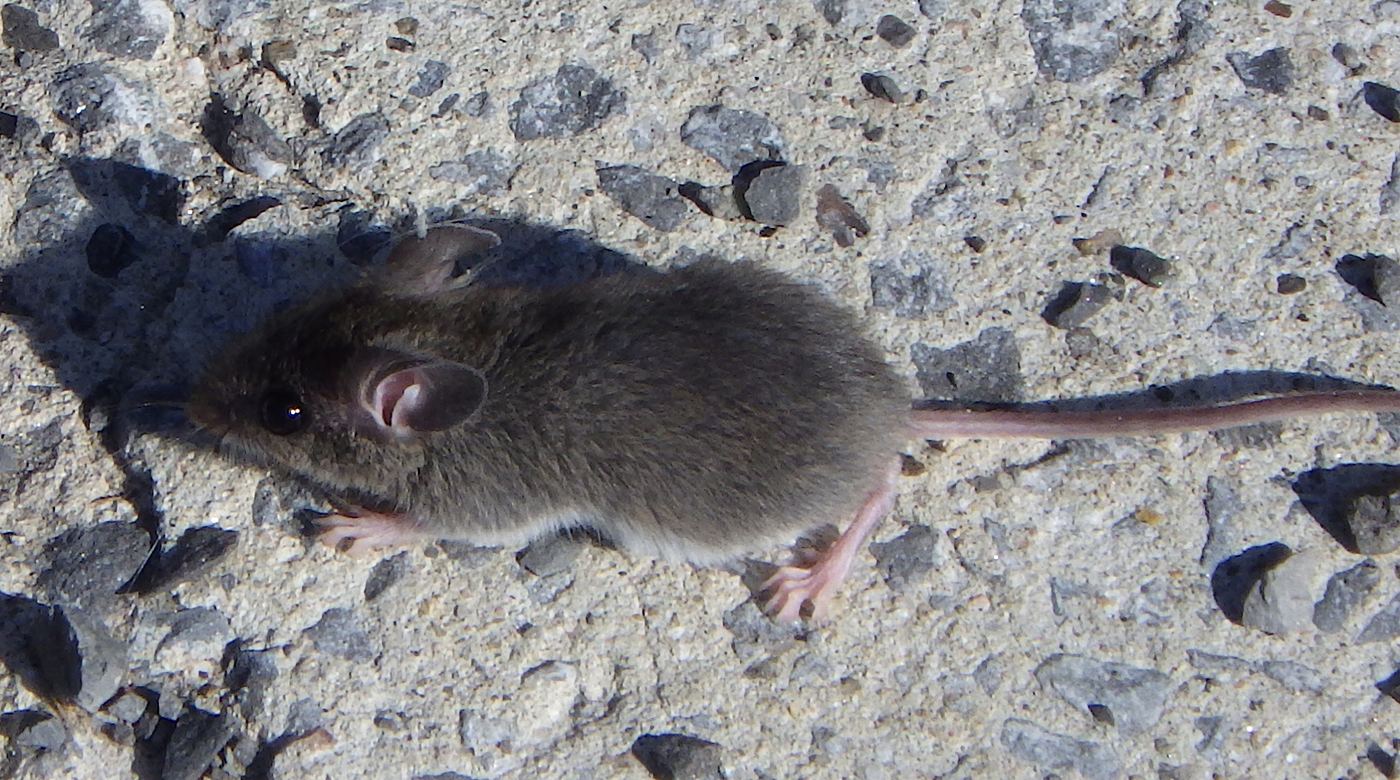
Size tells you most of it. UF/IFAS describes house mouse droppings as about an eighth of an inch long and rod shaped, like a grain of rice. Roof rat droppings are up to half an inch long and spindle shaped, pointed at the ends. Norway rat droppings are about three quarters of an inch long and capsule shaped, blunt on both ends. Where you find them adds the rest.
Droppings are the best clue most people have. Here's how to read them, how to tell old from new and how to deal with them safely.
Size and shape side by side
Lay a coin next to them and take a photo before cleaning up. Then compare:
- House mouse: about 1/8 inch, rod shaped, often scattered along walls and in drawers
- Roof rat: up to 1/2 inch, spindle shaped with pointed ends
- Norway rat: about 3/4 inch, capsule shaped with blunt ends
- Squirrel: usually larger and rounder than mouse droppings, often mixed with nest debris
Where you find them
Location narrows it down. Droppings in the attic insulation, along ceiling joists and on top of the water heater point to roof rats. Droppings in kitchen drawers, under the sink and along the garage wall, close to food, point to mice; UF/IFAS says mice usually stay within 10 to 30 feet of their nest. Droppings by the pool pump, in the shed or near holes at the slab edge point to Norway rats.
Old or new?
UF/IFAS says fresh droppings are black, shiny and soft like putty. Old ones are gray, dusty and crumbly. That matters in a house with a history. Old droppings in the attic of a home you just bought may mean a problem that's long over. Fresh ones mean something lives there now. Clean a small area the CDC way and check again in a few days; new droppings answer the question.
How many is a lot?
A rodent leaves droppings wherever it goes, so even one mouse produces plenty. The pattern matters more than the count. Droppings in one spot that stop after you trap one mouse mean you probably caught it. Droppings spreading to new rooms, or showing up again within days of cleanup, mean more than one animal and an open way in.
Other clues that confirm it
Droppings rarely show up alone. Look for gnawing, which UF/IFAS says is light colored with splintery edges when fresh; rub marks, the greasy smudges rats leave along walls and beams; and runways, the paths pressed into insulation or worn through grass outside. Mice shred paper and fabric for nests. Rats chew larger holes and leave half-eaten fruit.
Cleaning them up
Don't sweep or vacuum. The CDC says to air the space out for 30 minutes, wear rubber or plastic gloves, spray the droppings with disinfectant or a fresh bleach solution of 1.5 cups of bleach in a gallon of water, let them soak five minutes and wipe up with paper towels. The full steps are in the cleanup article.
What to do next
If it's mice, start with mouse control and the garage door seal. If it's roof rats, read roof rat control. If it's Norway rats, see rat burrow treatment. If you're not sure, call and describe what you found; the photo next to the coin helps the provider plan the visit.
Common spots in Port St. Lucie homes
Where droppings turn up most in Treasure Coast houses, and what they usually mean:
- On top of the water heater in the garage: roof rats coming down from the attic, or mice
- Around the AC air handler in the attic or a closet: roof rats
- Under the kitchen sink and behind the dishwasher: mice
- In the pool equipment enclosure: Norway rats or mice
- On lanai furniture cushions and storage: roof rats at night
Photographing droppings for the provider
Before you clean up, take a clear photo with a coin or a ruler next to the droppings, plus a wider shot showing where they are. Note the date. If you clean an area and new droppings show up, photograph those too. It helps the provider confirm the rodent and tells you whether the problem is current.
Droppings outside the house
Outdoors, droppings collect where rodents feed or rest: under bird feeders, along fence tops beneath fruit trees, on top of the AC condenser, in the pool equipment area and along the base of the house. Rat droppings on the lanai roof or the fence top under a citrus tree point to roof rats traveling to the house. Droppings near holes at the slab edge point to Norway rats.
Common questions
Can I tell rat droppings from mouse droppings by size alone?
Usually. Mouse droppings are about an eighth of an inch; rat droppings are three to six times longer.
Are lizard droppings confused with rodent droppings?
Often. Lizard droppings usually have a white tip. Rodent droppings are uniformly dark.
Is it safe to touch droppings with gloves?
With rubber or plastic gloves and after soaking them with disinfectant, yes. Don't handle them bare-handed or dry.
Why are there droppings but no noise?
They may be old, or the rodent may be quiet or active while you're asleep. Clean an area and check again in a few days.
Do roof rat and Norway rat droppings look different?
Yes. UF/IFAS says roof rat droppings are up to half an inch and pointed; Norway rat droppings are about three quarters of an inch and blunt.
Keep reading
Sources
General information only, not legal or medical advice. Rules change, so check the linked sources for the current version.