Rat Burrow Treatment in Port St. Lucie
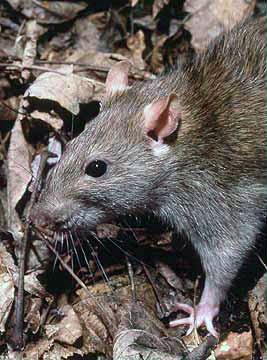
Not every Port St. Lucie rat climbs. The Norway rat is a digger. UF/IFAS says it burrows under buildings, concrete slabs, rubbish and earth banks, with burrows about 18 inches deep and openings about 3 inches wide. It's most common in Florida along coasts and canals, especially where garbage isn't stored well. A canal lot with a shed, a dock and a woodpile is a good place for one.
Burrow treatment means finding every opening, dealing with the rats living in them and closing the burrows so they don't get reused. Your call goes to an independent local rodent control provider who works your part of the city.
Burrow work is outdoor work, so weather matters. Heavy summer rain can flood or collapse burrows and push rats to dig new ones, and a dry spell makes fresh dirt easy to spot. Expect the provider to come back more than once and to check the yard again after big storms.
How to spot a burrow
UF/IFAS says fresh dirt in front of a 3-inch opening, with runways leading to it, is characteristic of Norway rats. Slick, hard-packed runways mean an established colony. Outdoor runways are 2 to 3 inches wide. Look along the seawall, under the dock, beneath sheds and slabs, around the base of the pool equipment pad and under dense ground cover near the house.
- Round holes about 3 inches across with loose dirt at the entrance
- Packed trails through grass or mulch between holes
- Holes at the edge of a slab, patio or driveway
- Gnawing on the bottom of a shed door or dock boards
What a thorough burrow job includes
Treating burrows without fixing what's feeding the rats doesn't last. A good provider looks at the trash cans, the dock, pet food and anything stored on the ground.
- Mapping all the burrow openings on the property
- Trapping or a labeled treatment for the rats in the burrows
- Watching which holes reopen after they're filled
- Collapsing and closing burrows once activity stops
- Hardware cloth or concrete where rats dig under slabs and sheds
- Advice on garbage storage, woodpiles and ground cover
Step by step
Burrow work usually runs over a couple of weeks:
- Find and mark every opening
- Set traps on runways or apply a treatment allowed by the product label
- Lightly fill the openings and check which ones are reopened
- Repeat on reopened burrows until none reopen
- Close the burrows and protect slab and shed edges with wire or concrete
- Recheck after heavy rain, when new holes often show up
Why canal lots are harder
Port St. Lucie has a lot of canal frontage, and the banks give Norway rats soft ground to dig in with water close by. Seawalls, riprap and docks add hiding spots. Neighbors share the same bank, so rats from next door can move into burrows you just cleared. UF/IFAS notes that coordinating control with neighbors makes it more effective and slows re-infestation. Mention it to the people on either side.
What you can do around the yard
Burrows show up where rats find food and cover. Take both away and fewer come back. Keep garbage in the cart with the lid closed and set it out no earlier than the evening before pickup, as Port St. Lucie's solid waste rules require. Don't leave bags beside the cart. Pick up pet food at night. Store firewood, pavers and lumber off the ground and away from walls. Thin dense ground cover along the foundation and the seawall so burrows are visible and rats lose their hiding spots.
If your dock has a fish cleaning table, rinse it after each use and bag scraps in a lidded cart. UF/IFAS says Norway rats prefer fresh meat, fish and grain, so scraps on a dock are an easy meal.
Questions to ask the provider
Before burrow work starts:
- Will you use traps, a labeled burrow product or both?
- How will you protect pets, birds and fish near the water?
- How will you close burrows at slab and shed edges?
Common questions
Can I just fill the holes with dirt?
If rats are still living there, they'll dig out. Filling holes is useful for seeing which burrows are active, then closing them for good once they stop reopening.
Are burrows a sign of roof rats?
No. Roof rats prefer to nest off the ground. Burrows point to Norway rats.
Can burrowing damage my slab?
UF/IFAS says Norway rat burrowing can undermine foundations and erode banks. Holes at a slab edge are worth closing.
Do rats swim in the canals?
Norway rats can swim and live along canals and riverbanks. Keep garbage in lidded carts and check under docks and sheds.
Is it safe to use bait near the water?
Only as the product label allows, and only in tamper-resistant stations. Ask the provider what they plan to use near water and wildlife.
Why do burrows come back after rain?
Heavy rain collapses some burrows and floods others, and rats dig new ones nearby. Check the yard a few days after big storms.
Related reading
Serving East Port St. Lucie, St. Lucie West, Tradition, Torino, Sandpiper Bay, River Park, PGA Village Verano, Fort Pierce, Lakewood Park, White City, St. Lucie Village, Hutchinson Island, Jensen Beach, Stuart, Palm City, Hobe Sound, Port Salerno, Sewall's Point, Indiantown, Vero Beach.