Rat Control in Port St. Lucie, Florida
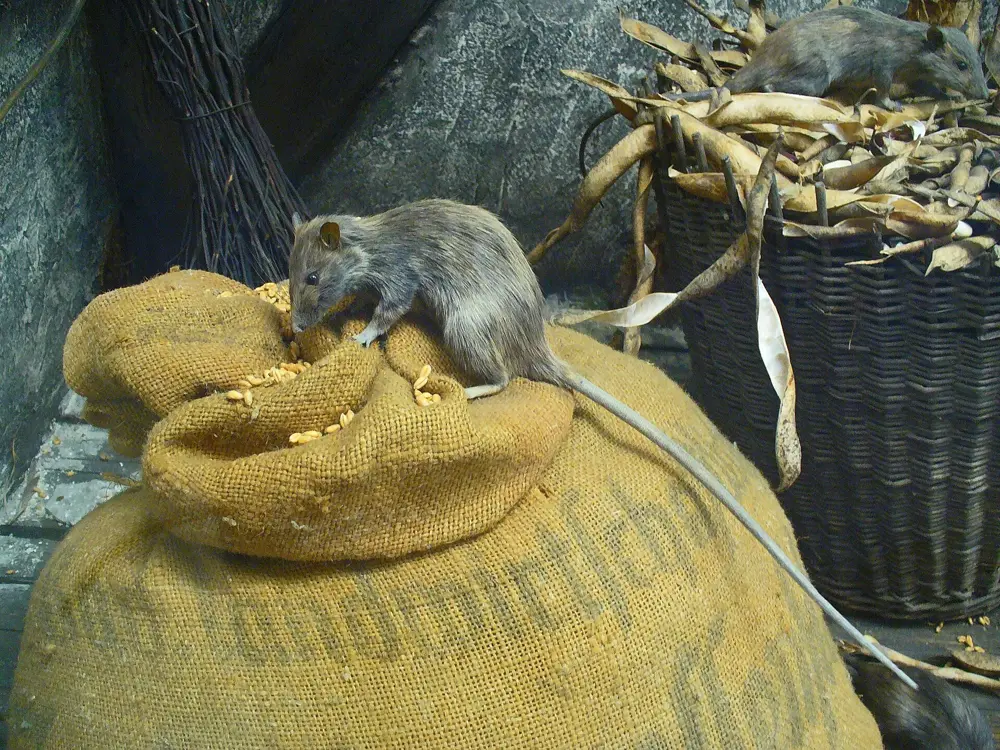
Port St. Lucie has two rats, and they live very different lives. The roof rat climbs. UF/IFAS says it nests in attics, roof spaces, palm trees and ornamental shrubs and would rather stay off the ground. The Norway rat digs. It's heavier, it burrows under slabs, rubbish and earth banks, and UF/IFAS says it's most common in Florida along coasts and canals where garbage isn't stored well. Which one you have decides where a technician starts.
Rat control here means the whole job: an inspection to find where they live and how they get in, trapping to clear out the ones inside, and sealing so the next ones can't follow. When you call, you're connected with an independent local rodent control provider who works your part of St. Lucie County. If you already know it's the attic, the roof rat page goes deeper.
Which rat is it?
Droppings usually settle it. UF/IFAS describes roof rat droppings as up to half an inch long and spindle shaped, pointed at the ends. Norway rat droppings run about three quarters of an inch and look like a capsule, blunt on both ends. Where you find them matters as much as the shape. Droppings on top of the water heater, along a ceiling joist or in attic insulation point to roof rats. Droppings in a garage corner, by the pool pump or next to a hole under the slab point to Norway rats.
- Roof rat: slim, black to grizzled gray or tan, tail longer than its head and body
- Norway rat: heavy, reddish brown, blunt nose, about three quarters of a pound to a pound
- Roof rat: noise overhead at night, citrus hollowed out on the tree
- Norway rat: burrow openings about 3 inches wide with fresh dirt in front, near slabs, sheds and canal banks
What a thorough rat job includes
A good provider spends as much time outside the house as inside it. Expect the technician to walk the whole roofline, look at every soffit run and gable vent, check where the AC line set and plumbing pass through the wall, and look at the bottom corners of the garage door. On a canal lot, the walk continues down to the seawall, the dock and the shed. Inside, the attic and garage get the most attention.
- A written list of entry points, with the material proposed for each
- Snap traps set where the rats travel, not just where you saw one
- Follow-up visits to check and reset traps
- Sealing with sheet metal, hardware cloth or concrete, not foam alone
- Burrow work if Norway rats are digging on the property
- Advice on trimming, fruit and pet food so the yard stops feeding them
How the work goes, step by step
Most rat jobs on the Treasure Coast follow the same order:
- Inspection: identify the rat, find the nest areas and list every gap
- Trapping: traps go along rafters, top plates, ledges and garage walls. UF/IFAS notes that rats are cautious around new objects and may take about a week to approach a trap, so the first few nights can be quiet.
- Follow-up: the technician checks traps, moves the ones that aren't producing and watches for new droppings
- Sealing: once the catch slows, the openings are closed with metal and mesh
- Cleanup: droppings and nest material come out, and soiled insulation may be replaced
- Final check: no new droppings or noise for a stretch of nights before the job is called done
Why rats are harder to get rid of in Port St. Lucie
Climate is most of it. Winters are mild here, so there's no hard freeze to thin the population, and roof rats keep breeding through January. UF/IFAS puts roof rats at up to six litters a year with six to eight young each. The city's layout adds to it. Older east-side streets have decades of oak and palm growth hanging over the roofs, newer west-side neighborhoods back onto preserve land and retention ponds, and canal lots give Norway rats a bank to dig in. A house can be trapped clean and still get new rats from the yard next door unless the gaps are closed.
Storms play a part too. A hurricane or a hard tropical storm can bend soffit panels, tear vent screens and lift roof edges. If storm damage at the roofline never got fixed, it's an open door.
Rats and your health
UF/IFAS lists murine typhus, leptospirosis and rat-bite fever among the diseases rats can carry, and says rodents contaminate about ten times as much food as they eat. That's reason enough not to sweep droppings with a broom. The CDC says to air the space out for 30 minutes, soak droppings with disinfectant or a bleach solution, wait five minutes and wipe them up with paper towels. The droppings cleanup article walks through it, and droppings cleanup and sanitizing covers bigger messes.
What you can do before the visit
A few things make the first visit faster and the result last longer. None of them replace trapping and sealing, but they take away what keeps rats close.
- Write down when and where you hear noise, and for how many nights
- Leave droppings where they are until the technician has seen them
- Move pet food, birdseed and grass seed into hard containers with lids
- Pick ripe citrus and clear fallen fruit from the ground
- Clear the attic hatch and pull boxes away from garage walls
Common questions
Will the rats leave on their own?
Not usually. With food, water and a dry place to nest, they stay, and in this climate they breed all year.
I only saw one rat. Is it worth a call?
One rat crossing the pool deck is worth a call if you're also hearing noise or finding droppings. A single sighting with nothing else is fine to watch for a few days with a couple of snap traps.
Can I have roof rats and Norway rats at the same time?
It's possible on a canal lot, but UF/IFAS notes the two are seldom found in the same building. The Norway rat is usually the dominant one.
How many visits does a rat job take?
Most need an inspection and setup visit, then follow-ups to check traps, then sealing. Ask the provider how many trips the quote includes.
Should I put poison out myself?
Be careful with it. A poisoned rat can die inside a wall or the attic, and the smell in Florida heat is hard to live with. If you use bait outdoors, it belongs in a locked, tamper-resistant station.
Is the provider licensed?
Ask. Florida requires pest control businesses to be licensed by FDACS under Chapter 482. The license guide explains what to check.
Related reading
Serving East Port St. Lucie, St. Lucie West, Tradition, Torino, Sandpiper Bay, River Park, PGA Village Verano, Fort Pierce, Lakewood Park, White City, St. Lucie Village, Hutchinson Island, Jensen Beach, Stuart, Palm City, Hobe Sound, Port Salerno, Sewall's Point, Indiantown, Vero Beach.