Mouse Control in Port St. Lucie, Florida
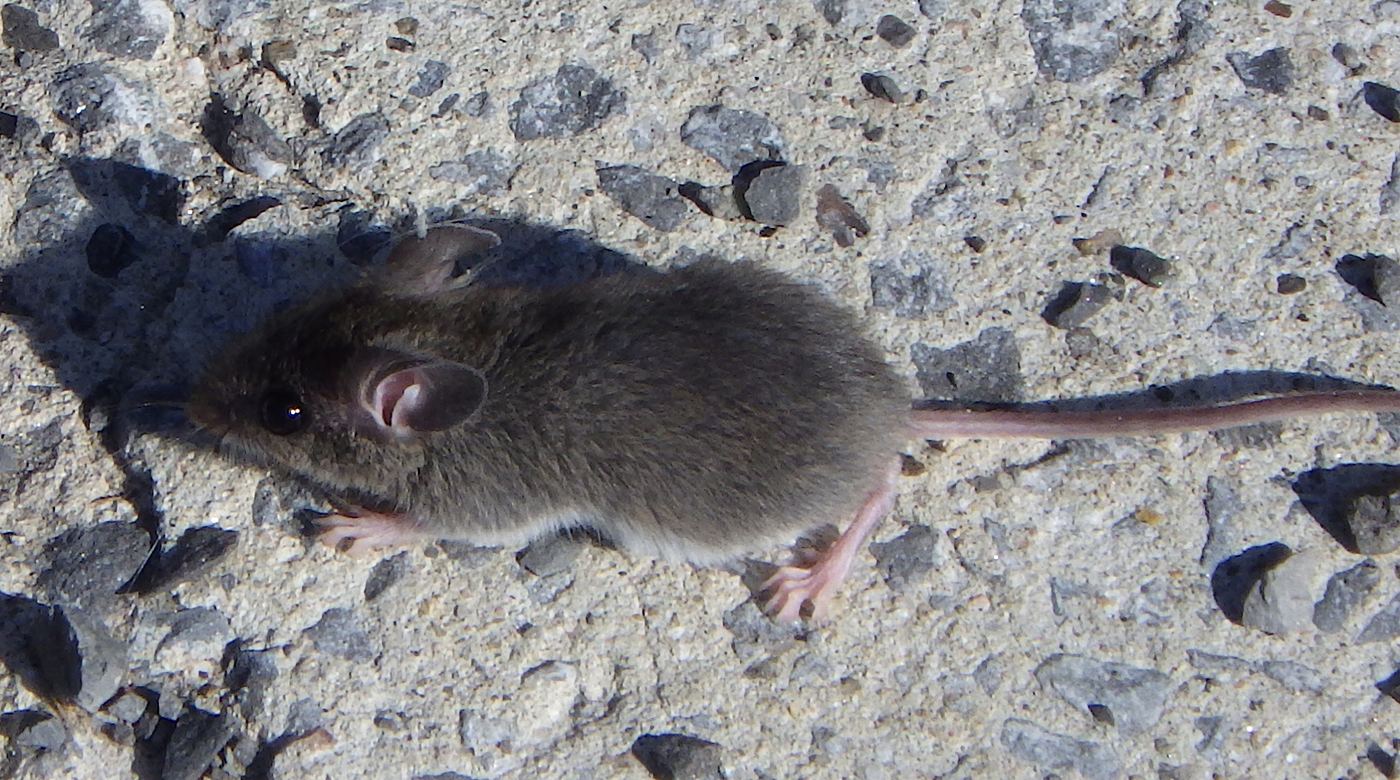
Rats get most of the attention in Florida, but house mice turn up on plenty of calls, mostly in garages, laundry rooms and kitchen cabinets. A house mouse is small and brown to gray with a tail about as long as its body. UF/IFAS says an adult weighs about half an ounce and can get through a crack a quarter inch wide. If a pencil fits in the gap, a mouse can use it.
Mice stay close to home. UF/IFAS puts their usual range at 10 to 30 feet from the nest, compared with 100 to 150 feet for rats. That's why a mouse problem tends to sit in one part of the house, often the garage or the kitchen, and why mouse work needs more traps placed closer together than rat work.
Signs it's mice and not rats
Look at the droppings. UF/IFAS describes mouse droppings as about an eighth of an inch long and rod shaped, close to a grain of rice. Rat droppings are three to six times longer. You'll also find chewed corners on cereal boxes or bags of dog food, shredded paper in a drawer and small piles of nesting material behind the washer.
- Rice-sized droppings in drawers, under sinks or along the garage wall
- Chewed bags of pet food, birdseed or grass seed
- Shredded paper or fabric bunched in a corner
- Light scratching low in a wall, not overhead
What a thorough mouse job includes
The technician sets snap traps along the walls where droppings show up, behind appliances and inside lower cabinets, then finds and closes the gaps. UF/IFAS notes that mice usually approach a trap the first night, and that if nothing is caught in the first few nights, the trap is probably in the wrong spot. Expect the provider to move traps around rather than leave them in one place.
- Traps set every few feet along walls and runways
- A check of the garage door seal, pipe gaps under sinks and the dryer vent
- Sealing with steel or copper mesh and sealant, sweeps on doors
- Advice on food storage in the garage and pantry
- Bait, if any, only in locked stations
Step by step
Mouse work moves faster than rat work, but the order is the same:
- Find where the droppings and chewing are heaviest
- Set traps close together along those walls
- Check within a few days and move traps that aren't catching
- Seal pipe gaps, door corners and vents
- Clean droppings with the CDC method, never by sweeping
- Watch for new droppings for a couple of weeks
Why mice show up in Port St. Lucie houses
Most homes here have an attached garage, and that's the usual way in. The rubber seal at the bottom of the garage door takes years of sun. Once it cracks or curls at the corners, mice walk under it. Bags of pet food, birdseed and grass seed on the garage floor keep them there. From the garage they find the gap around the water heater lines or under the door into the house.
New construction plays a part out west. When a field in Tradition or near Becker Road gets cleared for the next phase, the mice living there move to the closest houses. A new home can still have gaps around the AC line set and utility boxes.
Keeping mice out after the job
Most repeat mouse calls come from the same few habits. Food stored in the garage in bags or cardboard is the big one. The garage door left up for hours during yard work is another. So is a door seal that was fine two summers ago and has since curled at the corners.
Check the garage door seal every spring by closing it on a sunny afternoon and looking for light at the bottom corners. Keep pet food, birdseed and pantry overflow in hard plastic or metal containers. Put shelves in the garage so boxes sit off the floor and away from the walls, which also makes droppings easy to spot. And if you hear scratching again, set a couple of snap traps right away instead of waiting a month; UF/IFAS says mice usually take a trap the first night, so a quick catch tells you whether there's a new gap.
Questions to ask the provider
Before the work starts:
- How many traps, and where will they go?
- Which gaps will you seal, and with what?
- Will you check the garage door seal and the door into the house?
- How many follow-up visits are included?
Common questions
Does one mouse mean there are more?
Often. UF/IFAS says a house mouse is mature at about six weeks and can have up to eight litters a year of five or six young.
Will a cat take care of it?
UF/IFAS says cats and dogs aren't good rodent control. Pet food draws rodents, and a well-fed cat won't fix the gap that let mice in.
Are glue boards a good idea?
UF/IFAS says glue boards are better suited to mice than rats. Many people prefer snap traps because they kill quickly.
What bait works on a mouse trap?
UF/IFAS lists peanut butter, rolled oats, nuts, bacon and gumdrops among baits that work for mice.
Can mice live in the attic?
They can, but in Port St. Lucie the attic is usually roof rat territory. Mice more often stay low in the garage, kitchen and walls.
Related reading
Serving East Port St. Lucie, St. Lucie West, Tradition, Torino, Sandpiper Bay, River Park, PGA Village Verano, Fort Pierce, Lakewood Park, White City, St. Lucie Village, Hutchinson Island, Jensen Beach, Stuart, Palm City, Hobe Sound, Port Salerno, Sewall's Point, Indiantown, Vero Beach.