Rat and mouse article
Palm Trees, Citrus and Roof Rats
Palms give roof rats a place to nest and citrus gives them food, a few feet from your soffit. Here's what to change in the yard, and why sealing the house still matters.
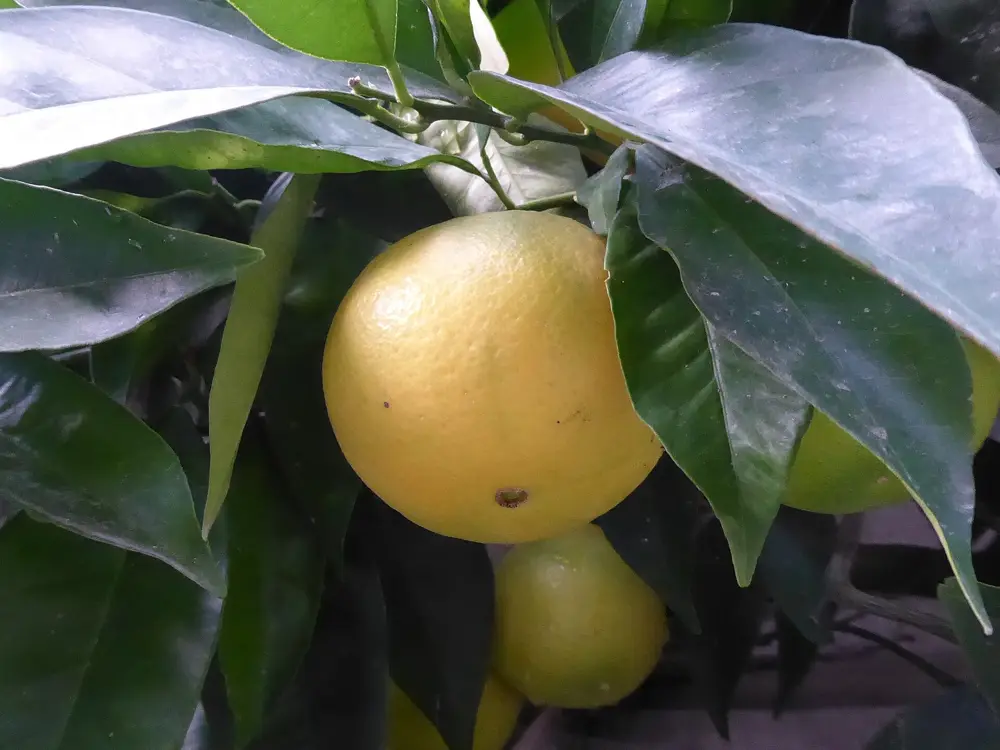
Trim dead fronds off palms, keep palms and fruit trees from touching the roof, pick citrus as it ripens and clear fallen fruit. Those four changes take away most of what keeps roof rats around a Port St. Lucie house. UF/IFAS lists palm trees and ornamental shrubs as places roof rats nest and says they're destructive in citrus, living in the trees and gnawing the fruit.
A typical Treasure Coast backyard has a palm or two, some hedges and maybe an orange or grapefruit tree. That's everything a roof rat wants within a few feet of your roof. The yard work helps; the house still needs to be sealed.
Palms
Palms that hold their dead fronds in a hanging skirt give rats a dry, hidden place to nest. Trim the dead fronds regularly. If a palm leans over the roof or the fronds touch the gutter, cut those back too. A palm a few feet from the house isn't a problem by itself; a palm brushing the soffit is. UF/IFAS says rats can leap 8 feet from a tree to a house when the branch is 15 feet above the roof, so leave real distance.
Citrus and other fruit
Roof rats eat fruit on the tree and what falls. Hollowed-out oranges or grapefruit hanging from a branch, with just the rind left, are a classic sign. Mangoes and avocados get the same treatment. Pick fruit as it ripens, pick up what falls every few days and don't let a pile of dropped fruit sit under the tree for weeks.
- Pick fruit as it ripens
- Clear fallen fruit off the ground
- Trim citrus branches away from the roof and fence tops
- Throw out any fruit with gnaw marks
Feeders, pet food and water
Bird feeders drop seed every day. Pet food left on the lanai overnight is easy pickings. UF/IFAS says roof rats need about an ounce of water a day, so a dripping hose bib, a leaky AC condensate line or a pet water bowl all help them. Fix drips, bring pet bowls in at night and clean up under feeders, or take feeders down until the rats are handled.
Hedges, vines and clutter
Thick hedges against the house give rats cover right up to the wall, and vines on stucco are a ladder to the roof. Keep shrubs trimmed back so you can see the base of the wall, and pull vines off the house. Stacked lumber, old pots and yard clutter make good nesting spots too. Port St. Lucie's code also limits open outdoor storage and requires trash and debris to be disposed of properly; the trash and property rules guide covers it.
Compost and garden beds
An open compost pile with kitchen scraps is a rat buffet. Use a closed bin, keep it away from the house, and keep meat, fish, dairy and oily food out. Vegetable gardens draw rats when produce ripens. Harvest promptly and clear what drops.
Your neighbor's yard
UF/IFAS puts a roof rat's range at 100 to 150 feet from its nest, and says control works better and lasts longer when neighbors coordinate. If the next yard over has an untrimmed palm full of rats and a tree dropping fruit, a friendly conversation may do more than anything else. If a neighboring vacant lot is overgrowing onto your property, Port St. Lucie's Vacant Lot Encroachment Program applies; see the reporting guide.
Yard work isn't enough on its own
Once the yard is cleaned up, rats already in the attic stay put. They still need to be trapped and the gaps sealed. See rodent exclusion and roof rat control.
Mangoes, avocados and other fruit
Citrus gets the most attention, but any backyard fruit draws roof rats. Mangoes, avocados, lychees and loquats all ripen in Treasure Coast yards, often several weeks at a time. The same rules apply: pick as fruit ripens, clear what falls, and keep branches off the roof and fence tops. If you can't keep up with a heavy crop, give fruit away or bag it for yard waste pickup rather than letting it rot on the ground.
Trimming safely
Palm trimming and limb removal near a roofline is ladder and saw work, and limbs near power lines need a qualified line-clearance tree service or the utility. A tree service can also advise on the tree's health. Yard waste goes out on your weekly pickup day in Port St. Lucie, up to 4 cubic yards, so schedule trimming right before it.
Signs a tree is a rat highway
Look for gnawed fruit still hanging, rinds on the ground with the pulp scooped out, droppings on the fence top or roof edge under the tree, and rats running along branches at dusk. A tree with those signs that touches the roof is a direct route into the soffit.
Common questions
Is fruit that a rat chewed safe to eat?
No. Throw it out. Rats can carry disease, and anything they've gnawed or left droppings on isn't worth the risk.
Should I cut down my citrus tree?
Usually not. Pick fruit as it ripens, clear what falls and keep branches off the roof and fences.
Do I need to remove my palms?
No. Trim dead fronds and keep them from touching the roof. A clean palm away from the house isn't much of a draw.
Will taking down the bird feeder help?
Often, yes. If you keep it, put out only what birds finish in a day and sweep up spilled seed.
How far should limbs be from the roof?
UF/IFAS says rats can leap 8 feet from a tree to a house when the branch is 15 feet above the roof, so leave real distance.
Keep reading
Sources
- UF/IFAS Extension: Rat and Mouse Control (ENY-224)
- City of Port St. Lucie: Common Code Violations brochure
General information only, not legal or medical advice. Rules change, so check the linked sources for the current version.