Rat and mouse article
Roof Rats on the Treasure Coast: What Homeowners Should Know
The roof rat is the rat in most Port St. Lucie attics. It climbs, it nests off the ground, it eats citrus and it breeds all year here. Sealing the roofline is what keeps it out.
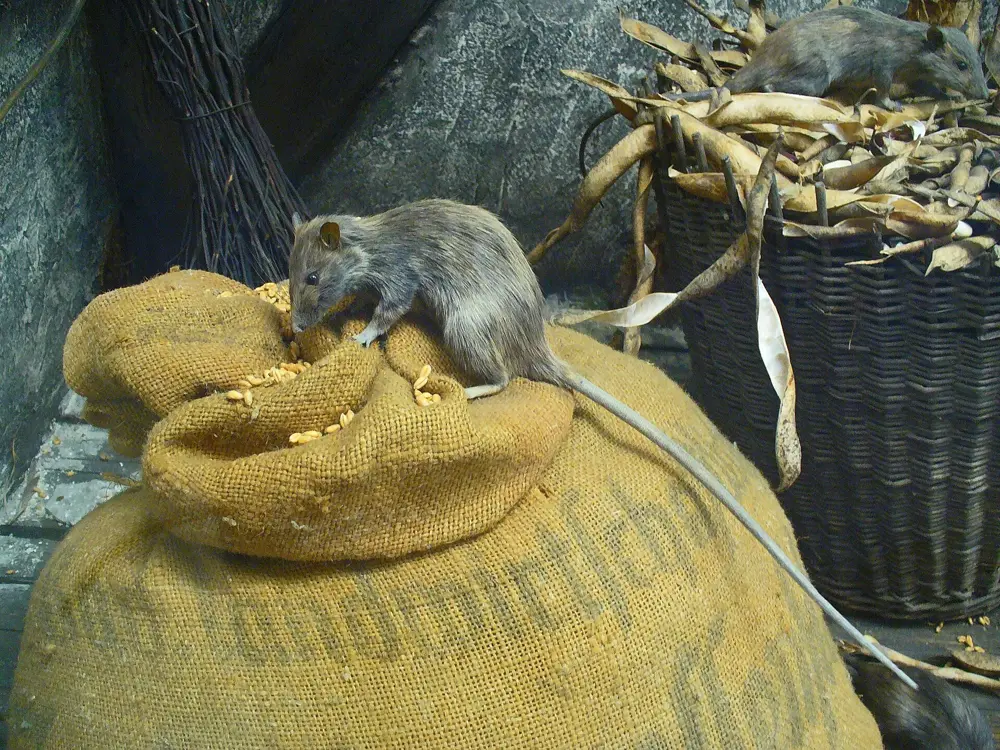
If you live in Port St. Lucie long enough, you'll probably meet a roof rat. You may hear it first, running across the ceiling at 2 a.m., or find a grapefruit on your tree with the inside scooped out. The roof rat is a slim, quick climber that prefers to nest off the ground, in attics, palm trees and thick shrubs. Traps clear out the ones inside. Closing the gaps at the roofline keeps new ones from moving in.
Most of what follows comes from the University of Florida's extension publication on rats and mice, ENY-224, applied to the houses and yards of the Treasure Coast.
What a roof rat looks like
A roof rat is slim, with a pointed nose, large ears and a tail longer than its head and body together. UF/IFAS describes the color as black, grizzled gray or tan, with a lighter belly. Next to a Norway rat it looks lighter and quicker, and it climbs far better. Its droppings are up to half an inch long and spindle shaped, pointed at the ends.
You'll hear the name used loosely. Palm rat, fruit rat and black rat all refer to the same animal in Florida.
Where roof rats live
Roof rats like to be up high. UF/IFAS lists attics, roof spaces, palm trees and ornamental shrubbery as their usual spots, and says they prefer nesting off the ground. In a Port St. Lucie yard, that means a palm with a skirt of dead fronds, a thick hedge along the fence or an oak limb over the roof. From there it's a short trip to a gap in the soffit.
They range about 100 to 150 feet from the nest, according to UF/IFAS. That's a few backyards. If your neighbor's palm is full of rats, they can reach your roof, which is why a whole street often deals with them at once.
- Palm trees, especially ones carrying dead fronds
- Dense hedges and shrubs along fences
- Attics, roof voids and wall spaces
- Stacked boxes and storage in garages
What they eat
UF/IFAS says roof rats prefer vegetables, fruits and grain, and eat about half an ounce to an ounce of food and about an ounce of water a day. Citrus is a favorite; the publication calls them destructive in citrus groves, where they live in the trees and gnaw the fruit. Backyard oranges, grapefruit, mangoes and avocados get the same treatment. Pet food on the lanai, birdseed under a feeder and fruit on the ground fill the gaps between harvests.
Water matters too. A dripping hose bib, an AC condensate line or the pool give them all they need. The article on palms, citrus and roof rats covers the yard side.
How fast they breed
UF/IFAS says roof rats are mature at three to five months and can have up to six litters a year, with six to eight young each. They live about a year. Up north, winter slows that down. Port St. Lucie winters are mild, so there's no cold season to break the cycle. A pair that moves into the attic in spring can turn into a colony by fall, which is why waiting it out rarely works.
How they get in
A rat can get through a crack half an inch wide. UF/IFAS adds that rats can jump 3 feet straight up and 4 feet across, climb pipes and wires, and leap 8 feet from a tree to a house if the branch is 15 feet above the roof. On Treasure Coast homes the usual way in is the roofline: soffit corners, sagging soffit panels, gable vents with torn screens, roof returns and the joint where a lanai or pool cage frame meets the roof. The article on how rats get into Florida homes lists every spot to check.
Signs you have them
Night noise overhead is the most common clue. Others: droppings on top of the water heater or along attic beams, dark greasy rub marks where they squeeze through, gnawed fruit still on the tree, chewed wiring and rats running along fence tops at dusk. The attic signs article explains how to tell old activity from new.
Why storms matter
Atlantic hurricane season runs from June 1 to November 30. Wind bends soffit panels, tears vent screens and lifts roof edges, and every one of those is a new door. After any big storm, once it's safe, walk the house and look up. Fix or cover damage at the roofline quickly; rats find it fast.
What keeps them out
Sealing keeps them out. UF/IFAS lists rodent-resistant materials: sheet metal of 26 gauge or heavier, hardware cloth of 19 gauge or heavier with openings no larger than a quarter inch, and concrete or mortar. Close the gaps at the soffits, vents, roof returns and pipe openings, cut tree limbs well back from the roof and pick fruit when it's ripe. Traps clear out the rats already inside; sealing stops the next ones. Rodent exclusion explains the sealing work, and roof rat control covers the full job.
Common questions
Are roof rats dangerous?
They can carry disease, contaminate food and chew wiring. UF/IFAS lists murine typhus, leptospirosis and rat-bite fever among the diseases rats can carry. Don't handle them or their droppings bare-handed.
Do roof rats live in Florida year-round?
Yes. Mild winters mean they keep breeding through the cooler months on the Treasure Coast.
Is a palm rat a different animal?
No. Palm rat and fruit rat are local names for the roof rat.
Will a cat keep roof rats away?
UF/IFAS says cats and dogs aren't good rodent control. They can't reach rats in the attic, and pet food draws rats in.
How do I know the rats are gone?
No new droppings, no noise for a stretch of nights and traps that stay empty. Recheck after storms.
Keep reading
Sources
General information only, not legal or medical advice. Rules change, so check the linked sources for the current version.